

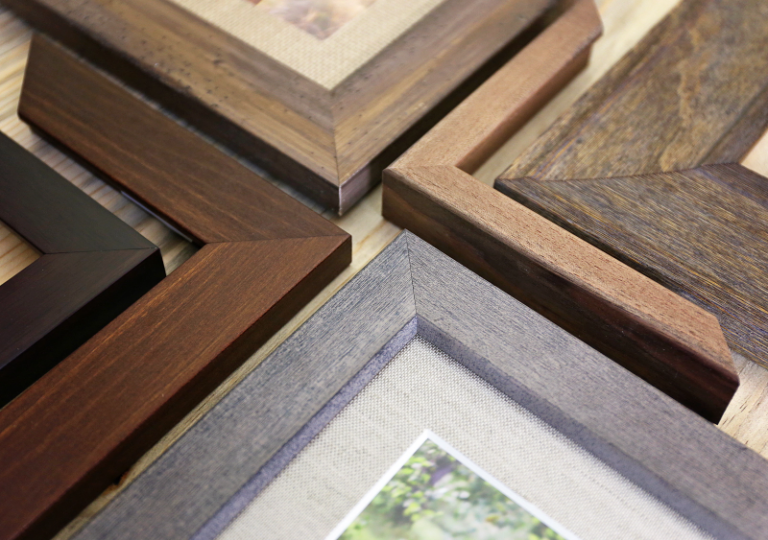
The main parts of a picture frame are the molding, glazing, matting, and backing, and each of these components of a picture frame serves to protect the picture and preserve it. When combined, the elements can improve the artwork and help it match your existing decor. There are other secondary art frame parts that are also important, and we will briefly cover those, too.
The Main Parts of a Picture Frame
The picture frame can be compared to a box, and the box’s elements to the parts of a picture frame. It has sides (molding), a lid (glazing), the bottom of the box (mounting), and the matting (a frame within the box), and they all hold a precious item (photo or artwork). These are the four main elements of a frame:
Molding
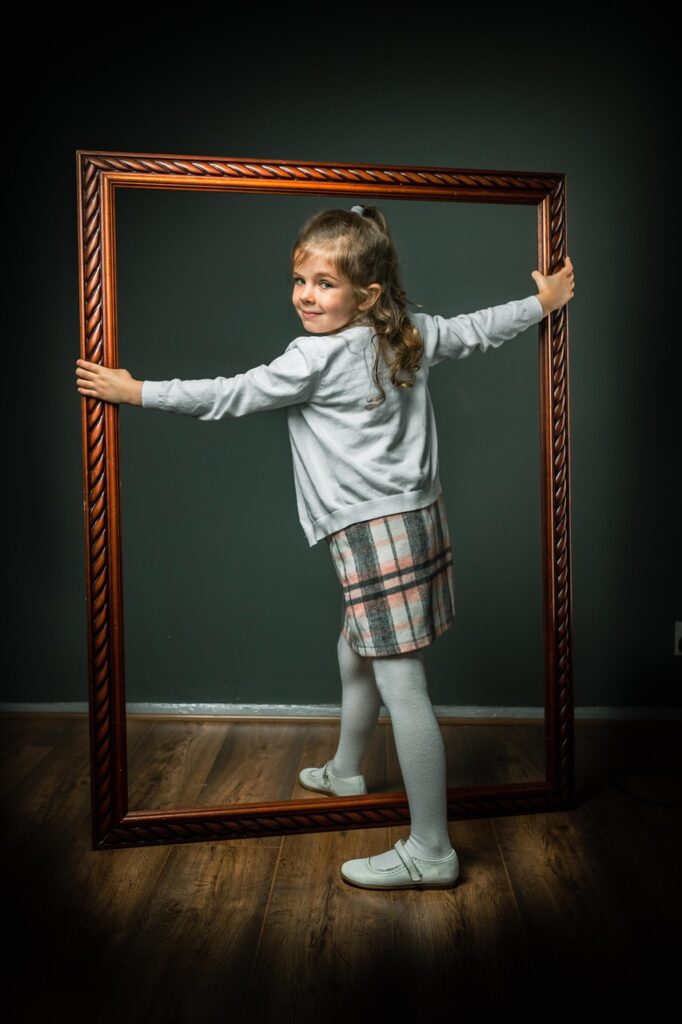
The molding is the outer border of the frame. It is the most visible part of the frame and defines the shape and total size of the entire piece. There are many ways to customize moldings, which is great because you want your frame to be one-of-a-kind. People often refer to the molding as the complete frame, even though it is just one of the important components of a picture frame.
When choosing the parts of a picture frame, wood molding is the best frame for art, as it is kiln-dried and not susceptible to heat and humidity. As it requires very little maintenance, it is a very popular option when selecting this part of an art frame. Being a warm and versatile type of frame also makes it well-suited to classical art.
Another option is metal. Metal looks modern, sleek, and even chic. Contemporary pieces are well complemented by metal moldings.
Glazing (glass or acrylic)
Glazing, the clear layer in front of the art, protects it from dust, UV light, and humidity. It is among the most crucial parts of a picture frame since it helps to give a clear view of the artwork. It is only possible to get this level of clarity by maintaining a little distance between the glazing and the artwork, thus preventing any contact that could distort or damage the image through natural expansion and contraction.
One of the main components of a picture frame is the glazing. Glazing options include glass and plastics like acrylic (Plexiglass) or polycarbonate. Glass offers scratch resistance but is brittle. Acrylic is more impact-resistant but more susceptible to scratches. However, because glazing is one of the integral parts of a picture frame, both options can have a special coating for extra protection. This coating is also anti-glare and offers additional UV protection.
When you include matting as one of the art frame parts, this usually adds the necessary room needed to create the required space between the art and the glazing. However, if there is no matting, a spacer is added between the art and the glazing to ensure that the frame remains a respectable distance away from the art. There are different types of art (such as pastels) that need a little extra spacing to ensure no contact can occur.
Matting
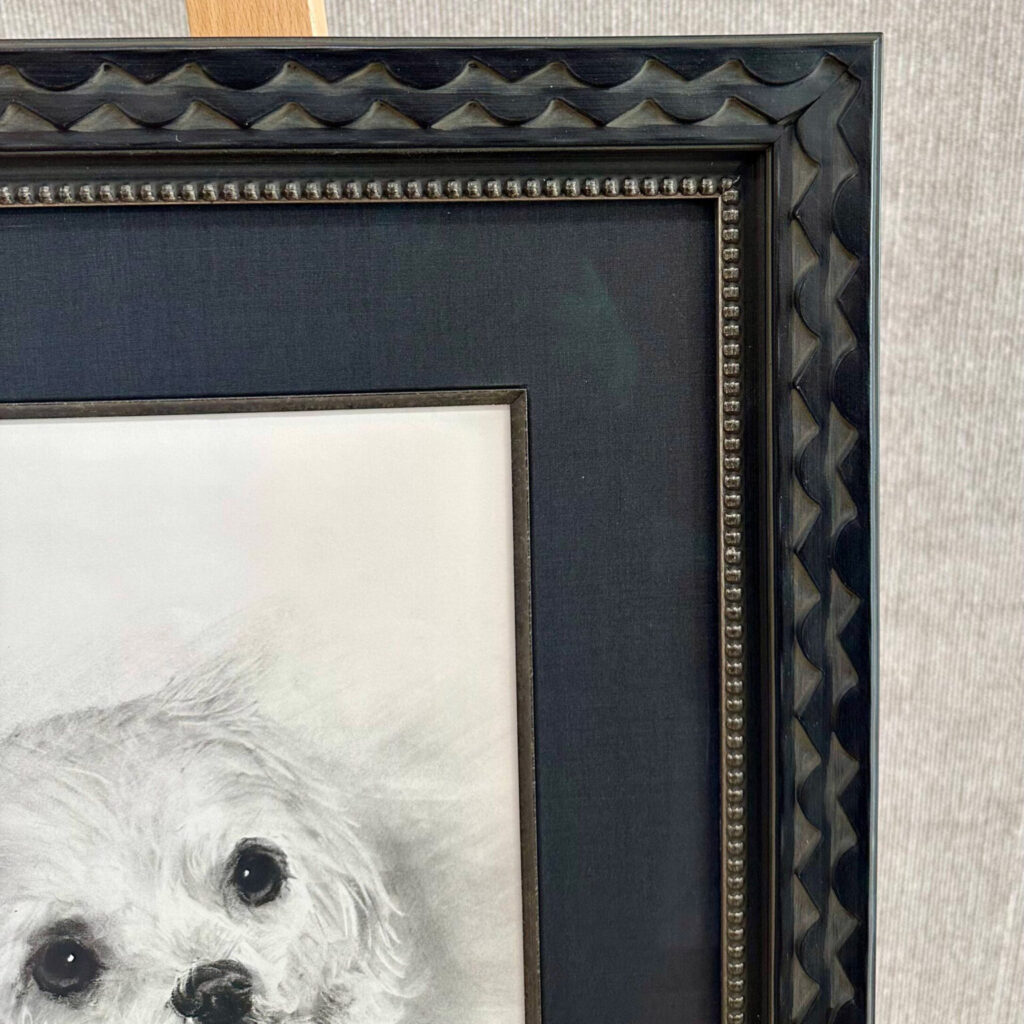
Despite being optional, matting is nonetheless one of the important parts of a picture frame, as it enhances the overall aesthetic appeal and safeguards the artwork. Beneath the glazing, between the artwork and the molding, lies this border known as the matting. Matting ensures there is adequate space between the picture and the glazing.
One of the most adaptable components of a picture frame is the matting, which is available in a range of hues and textures that all work together to enhance the artwork. Single, double, or multi-layered matting can be used to create various effects. The parts of a picture frame can be examined to see that the matting forms a border around the artwork, which you can use to contribute to the overall impression.
Another option with this section of art frame parts is archival matting, which uses acid-free materials to ensure no damage happens to your artwork. It typically uses rag mats made from cotton to help protect the artwork from deterioration.
Backing
The backing board, or mounting board, is found behind the artwork. Its main purpose is to provide a flat, stable board to hold the picture. If you want your pictures to last for generations, then this is one of the parts of a picture frame that you should not skimp on. There are three grades that can be used:
- Standard boards can be made from untreated wood pulp or cardboard, which can easily deteriorate over time.
- Conservation boards are made from chemically treated wood pulp, and the board places alkali buffering between the art and the mount.
- Museum-grade boards are cotton rag boards that are made to last and protect the art. They are non-acidic, and some even have alkali buffering, too.
Secondary Parts
There are other components of a picture frame that can contribute to the overall visual effect of the framed piece.
Rabbet and lip
The rabbet is one of the parts of a picture frame that you don’t see, but it is essential. It is a groove in the back of the molding where the mounting board, art, and glazing are placed. There is a little lip that goes over the art to hold it in place.
Dust cover
The dust cover is another option when choosing art frame parts. It can be made from fabric or paper and helps to prevent dust from entering the frame.
Retaining clips
Retaining clips are used to hold the art, mounting, and glazing in place within the rabbet.
Hanging hardware
These are the clips or anchors that attach to the wire and allow the art to hang on the wall. It needs to be strong enough to hold all the parts of a picture frame and the artwork, too.
Conclusion
A picture frame is far more than just a border on the picture. Knowing the main components of a picture frame may help you choose the ideal framing for your picture. At FrameStore Los Angeles, our expert framers will help you choose the right frame for your art and photos. With decades of experience, we offer outstanding craftsmanship and creative designs and only use high-quality materials so our custom frames will last for generations. Contact FrameStore today to talk to one of our experts.